
Hello world!
Welcome to WordPress. This is your first post. Edit or delete it, then start writing!
Welcome to WordPress. This is your first post. Edit or delete it, then start writing!
A lush green lawn is often the treasured gem of a home’s exterior, signifying care and aesthetic appeal. Yet, establishing a new lawn can be daunting, demanding careful planning and execution to ensure success. For any homeowner, understanding the nuances of preparing the ground, and following proper sowing techniques is paramount. This blog posts will give you top tips on sowing your grass seed to ensure it thrives.
The world of grass seeds is diverse; choosing between cool-season and warm-season grasses involves considering your specific climate and lawn needs. Equally crucial is preparing the ground meticulously by removing existing vegetation, aerating the soil, and applying a layer of topsoil or compost. These preparatory steps lay the foundation for successful grass sowing and eventual lawn health.
In this guide, we’ll unravel essential tips for efficient lawn establishment, from the sowing process to post-sowing care and specialised lawn creation techniques. Whether you are starting a new or overseeding an existing lawn, understanding timing, maintenance, and specialisd approaches will ensure your lawn thrives.
Turfworld’s Emerald Grass Seed, 1kg bag

Establishing a lush lawn from seed starts with understanding your local climate. Picking the right grass seed is key to a beautiful lawn. Turfworld’s Emerald Grass Seed is an excellent choice for various conditions. Whether you’re planting in areas with high foot traffic or limited sunlight, this specially blended seed – used in our own turf rolls – performs exceptionally well. The soil temperature and moisture levels also influence successful grass seed germination. Ideal times to plant grass seeds are in spring or autumn when the soil is warm and above 10°C. Choosing the right season to sow depends on your priority. If you want stronger root growth, autumn’s warm soil and cooler air are ideal. For flourishing leaf development, spring is the perfect time. These strategies set the foundation for a healthy lawn.
Establishing a new lawn with grass seed begins with proper soil preparation. This is essential to create a solid foundation for growing a beautiful, healthy lawn. Start by clearing the area of all existing vegetation, such as weeds and roots, to make room for new grass. After clearing, rotovating and aerating the soil improves drainage and provides better soil structure. Adding topsoil, top lawn dressing or compost can enhance soil quality, ensuring the soil remains moist and warm, creating the ideal environment for grass seeds. With careful preparation, you’ll set the stage for healthy grass seedlings to flourish into a lush lawn.
Clearing existing vegetation is the first step in preparing your lawn. Remove all plant material, including dead grass and persistent weeds, to provide a clean slate. Use tools like a garden spade for small areas, or a mechanical turf cutter for larger spaces. This helps eliminate any roots and debris that could interfere with new growth. Systematic weed killers can ensure stubborn weeds don’t return, but be sure to wait 2-3 weeks before proceeding after application. Once cleared, firm the area with your feet or a lawn roller to create a smooth, even surface ready for the next step in lawn care.
Rotovating and aerating the soil ensures a solid base for a healthy lawn. Digging into the soil at least 15cm deep is vital for breaking up compaction. Tools like a garden fork or a mechanical rotavator make the task easier and more efficient. Aerating improves water drainage and nutrient circulation, essential for strong grass growth. By loosening the compact soil, grass roots can penetrate deeply, encouraging robust grass blades. As you rotovate, remember to remove any stones or rubble, which can hinder lawn development. This process prepares the soil for optimal grass seed germination.
Topsoil or compost is crucial in creating a welcoming environment for new grass seeds. Adding a thin layer, up to a quarter of an inch, helps retain moisture and warmth, speeding up seed germination. Compost, especially if used as a top dressing, provides the nutrients necessary for growing new grass. It also helps fill in any dips or uneven spots that might settle over time. Fine compost can act as a mulch to protect and nurture grass seeds, supporting healthy root development. By enhancing soil quality with compost or topsoil, you’re paving the way for a thriving, green lawn.

Establishing a lawn from seed requires proper preparation and execution. Start by preparing the soil to provide a healthy bed for your grass seeds. Keeping the soil moist is vital, so water the area before and after sowing to encourage germination. Spread the grass seeds evenly using either a hand-spreading method for small spaces or a spreader for larger areas. Correctly calculating the seed amount is key. Typically, you need 35 to 50 grams per square meter for new lawns and 15 to 25 grams for overseeding.
Achieving even coverage when sowing grass seeds is crucial for a uniform lawn. Start by dividing your seeds in half, sowing one portion in one direction and the other perpendicularly. This two-directional approach ensures all areas receive an even amount of seeds. Overly thick planting can cause grass plants to fight for space and nutrients, affecting growth. For better accuracy, divide large areas into smaller, manageable sections. This technique allows for more precise seed coverage, enhancing your chance of growing a lush lawn.
Proper seed spacing is key to a healthy lawn. Seeds should be spaced about one-quarter to one-half inch apart to avoid overcrowding. When sown too thickly, grass plants compete with each other, which can stunt growth. Keeping seeds well-spaced also helps prevent weed invasion, as healthy grass growth leaves little room for weeds to settle. Using a lawn roller after sowing presses seeds into the soil, ensuring they stay in place. This step helps avoid seed clusters that can result from watering or rain, promoting a healthy and robust lawn.
Establishing a new lawn from seed requires careful attention during the first few weeks. Once grass seeds are sown, it’s important to water them deeply and consistently. Aim to water daily unless rainfall occurs. After around six weeks, when grass blades are 5-7 cm high, you can mow for the first time. Make sure your mower blades are set high to avoid stressing young grass. Regular fertilisation supports a healthy lawn and can be applied before sowing if the granules dissolve into the soil. Avoid walking on your new lawn during its first season to protect the tender grass seedlings. Scarifying and overseeding once or twice a year will help keep the grass dense and allow better access for nutrients, water, and oxygen. This approach will lead to a beautiful, lush lawn that thrives year after year.
Consistent soil moisture is crucial for grass seed germination. During the early stages, ensure the top inch of soil stays moist to help the seeds sprout. Once germination starts, keep the top 2 inches moist until the lawn reaches a mowing height of about 3 inches. After that, adjust your watering schedule to focus on less frequent but deeper soaking. This change encourages the grass roots to grow deeply, making them stronger. Insufficient soil moisture may prevent seeds from sprouting, particularly in dry conditions. To prepare, consider thoroughly watering the soil the night before this. Consistent moisture helps prevent the invasion of weeds, securing a lush, green lawn from scratch.
An optimal watering schedule is key to establishing a lawn with grass seed. Begin by watering the newly planted grass seed every day, especially if temperatures rise above 17°C. Keep the soil’s top inch consistently moist, even if that means watering several times a day during sunnier conditions. As the grass germinates, shift focus to keeping the top 2 inches moist. Once the grass grows to about 3 inches, reduce watering frequency. Now, water twice a week deeply, targeting soil moistness between 6 to 8 inches. This fosters strong grass roots, supporting a healthy lawn. Once your lawn is established and mature, regular irrigation isn’t needed unless facing prolonged droughts. You can still water your grass seed or new turf in a hosepipe ban for the first 28 days.Please note, these guidelines are advisory and water companies are not obligated to follow them. You can find a comprehensive list of contact details for water providers throughout the UK here: https://www.water.org.uk/customers/find-your-supplier.
Preserving soil moisture and preventing erosion are vital when establishing a lawn. Covering your newly sown grass seeds with a thin layer of soil helps keep moisture in. Pressing seeds gently onto the soil ensures they remain in place, aiding germination. However, avoid burying seeds too deep to ensure all seeds sprout evenly. This care at the soil surface stage is a stepping-stone to growing a vibrant lawn from the start.
Establishing a new lawn with grass seed requires careful attention to timing. The period from late summer to early fall is generally the most favorable for sowing grass seeds. During this time, soil temperatures and moisture levels are optimal for seed germination. Planting during this window minimises the chances of weed invasion, which can be a significant issue with spring seeding if not managed accordingly. It’s crucial to ensure that the soil temperature is at least 10°C to promote successful germination. This helps the young grass seedlings establish themselves quickly and effectively. Keeping the soil consistently moist, but not waterlogged, is essential for supporting the initial growth phase. Monitoring weather conditions beforehand can also protect your efforts from being thwarted by unexpected adverse weather.
Spring and autumn provide ideal conditions for sowing grass seed. In mid-spring, typically from March to April, soil temperatures start to warm up, promoting seed germination. However, it’s vital to complete seeding by late spring to avoid issues with water stress and weed competition. Conversely, early autumn (September to November) offers warm soil retained from the summer, frequent rainfall, and reduced weed growth, creating perfect conditions for young grass roots to establish. Autumn sowing is advantageous as the cooler air temperatures combined with warm soil facilitate robust root development, which supports a resilient and drought-resistant lawn. Watering in spring is more critical due to potential rapid temperature increases, so ensure seeds remain moist but not saturated.
Temperature plays a critical role in the successful germination of grass seeds. The optimal soil temperature for this process is between 10°C and 18°C. If it falls below 10°C, seeds may fail to germinate, while excessive summer heat can hinder their development. During spring, the focus of growth shifts towards leaf development. In contrast, autumn provides optimal conditions for germination due to warmer soil temperatures, fostering strong root growth. Some specialised lawn seeds are designed to germinate at soil temperatures as low as 7°C. Therefore, regularly checking the soil temperature at a depth of 3 cm is important. Ensure daytime temperatures consistently exceed the 8-10°C range to give your new lawn the best start possible.
Creating a new, lush lawn involves several important steps, whether you’re starting from scratch or enhancing an existing lawn. The key to success lies in proper preparation, timing, and ongoing care. Choosing the right type of grass seed for your climate, understanding the best times to sow, and maintaining optimal soil conditions can lead to a healthy, green lawn. A green, beautiful lawn requires attention to detail, from sowing the seeds at the correct rate to ensuring they have the right environmental conditions to thrive.
Starting a lawn from scratch with grass seed is an affordable and efficient way to ensure a lush landscape. Begin by selecting grass seed types suited to your climate, whether cool-season or warm-season grasses. Clear your lawn area of all debris, then dig or rotovate the soil to at least 15cm depth, creating a fine, even surface. Sow seed at a rate of 35 – 50 grams per square metre. This ensures even coverage and improves germination. Aim to plant in spring or early autumn, when the soil is warm. Keeping the soil moist is key for successful seed germination. Be sure to protect your new lawn from birds and intense weather until the seedlings are well-established.
Overseeding helps rejuvenate and thicken existing lawns, making them lush and vibrant. Begin by mowing your lawn shorter than usual, allowing better seed-to-soil contact. Thin out the thatch with a rake, then aerate the soil to ease compaction. Aeration improves air and nutrient flow to grass roots. Spread the grass seed evenly at the rate recommended for overseeding, usually lower than starting a lawn from scratch. You can use a compost layer to boost growth, but this isn’t essential. Protect the seeds with straw or a light compost covering to ward off birds and prevent erosion. These practices enhance growth and improve the quality of your existing lawn.
Properly timing the first mow of a new lawn is crucial for its development. Wait roughly 21 days after seed germination before cutting, allowing grass blades to grow at least 3 inches tall. It’s vital to trim only the top third of the blades during this first mow, as cutting too low can weaken the plants. Keep mower blades sharp to avoid tearing the young grass seedlings. Avoid leaving clippings on the lawn for the initial cuts—collect them to prevent the new plants from being smothered. Follow these guidelines to support your lawn’s robust growth from the start.
Effective weed control sustains the health of new grass. Using a weed preventer while seeding can harm the seeding, so wait until the grass is mown four times before applying herbicides. Always follow label instructions for any herbicide application to ensure plant safety and effectiveness. These methods help maintain a weed-free and vibrant lawn, ensuring your grass stays healthy and green.
The types of grass seed we offer is Turfworld’s Emerald Grass Seed, ideal for establishing a lush lawn. One 1kg bag covers about 40 square metres, and a 20kg bag can cover roughly 800 square metres.
A beautiful lawn and a happy dog don’t have to be mutually exclusive — but anyone with pets knows it can sometimes feel that way. From worn paths to yellow patches, dogs can be tough on grass. The good news? With the right approach, you can keep your lawn healthy while still letting your pets enjoy it.
Here are some practical lawn care tips every pet owner should know.

Dog urine contains high levels of nitrogen. In small amounts, nitrogen feeds grass — but concentrated patches can burn it, causing yellow or brown spots.
Encouraging your dog to use different areas of the garden helps spread the impact. Where possible, lightly watering affected areas shortly after use can dilute the concentration and reduce damage.
Tip: Female dogs often cause more visible spotting simply due to how urine is deposited — it’s normal and manageable.

Not all grass is created equal, especially for gardens with dogs.
Hard-wearing turf blends are designed to recover faster from wear and tear, making them ideal for active pets. These grasses develop stronger roots and better tolerance to traffic, helping the lawn bounce back after playtime. TurfWorld’s Emerald Turf is a fantastic option with it’s hard wearing blend of ryegrass and fescues reducing the impact of paw-induced damage.
Tip: Avoid ornamental or fine lawn grasses — they struggle under regular paw traffic.

Short grass may look tidy, but it’s far less resilient.
Keeping your lawn slightly longer helps cushion paw traffic, protects roots, and improves recovery from damage. Longer blades also shade the soil, helping retain moisture and reducing stress during warmer weather.
Rule of thumb: Never remove more than one third of the grass height in a single cut.

Bare patches caused by running routes or frequent play are easier to fix when caught early.
Lightly rake worn areas, add a thin layer of topsoil, and overseed where necessary. Acting quickly prevents soil compaction and stops weeds from taking hold.
Tip: Rotate play areas or place toys in different spots to avoid repeated wear in one location.

Many lawn treatments aren’t pet-friendly, especially weed killers and feeds applied incorrectly.
Always check product labels and keep pets off treated areas for the recommended time. Better still, focus on natural lawn care practices such as aeration, correct mowing, and soil improvement — all of which support a healthier lawn without added risk.
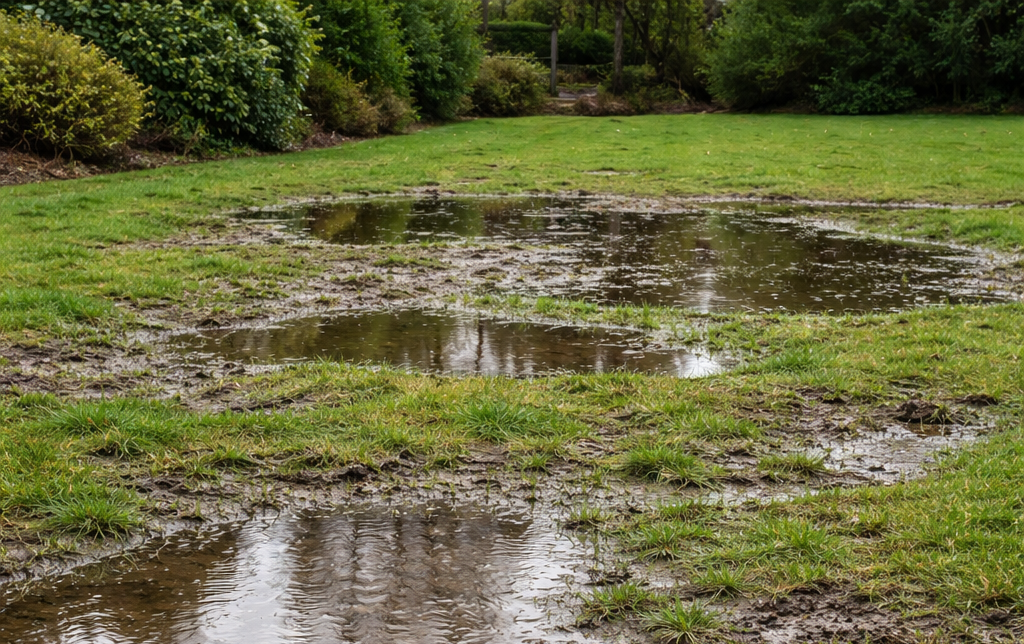
Dogs and muddy paws often go hand in hand.
Poor drainage leads to waterlogged soil, which quickly turns to mud under foot (or paw). Aerating compacted areas and improving soil structure with quality topsoil can dramatically reduce muddy patches and lawn damage.
A pet-friendly lawn doesn’t need to be perfect, it needs to be practical. By choosing the right grass, maintaining healthy soil, and accepting a little wear and tear, you can enjoy a lawn that works for both you and your dog.
At TurfWorld, this advice isn’t just theoretical. Our team are avid dog owners, with several energetic Labradors regularly putting our own lawns to the test. That hands-on experience gives us a genuine understanding of the challenges pet owners face and how to create lawns that stand up to real life, muddy paws and all.
Healthy grass, happy pets, and far less frustration.
New turf (also called sod) is essentially living grass that has been cut with a thin layer of soil and transplanted to your garden. Unlike established lawns, its root system hasn’t yet grown into the soil below, so it’s very delicate in the first few weeks.
📅 First 10–14 Days — Very Limited Foot Traffic
Turf is establishing initial shallow roots into the soil.
Avoid walking on it as much as possible.
If you must access an area (e.g., to water), try to evenly distribute your weight by stepping on a board or wide plank rather than directly on the grass.
📅 2–3 Weeks — Light Walking Only
Roots are beginning to knit into the soil.
You can walk on it lightly — gentle foot traffic like crossing the lawn — but don’t drag feet, turn sharply, or let pets run repeatedly over the same patch.
📅 3–4 Weeks — Moderate Use Possible
Most lawns in good conditions can handle normal, everyday walking.
You may also be able to do your first very light mow if the turf has put on enough growth (cut at a high setting).
📅 4–6 Weeks — Full Use and Play
The turf should now have a well-established root system.
It’s generally safe for family use, furniture, and playful pets. Heavy activities (like football or wheelbarrows) should still be avoided until this stage.
Walking too soon can:
Damage fragile roots before they’ve grown into the soil.
Compact the soil, making it harder for roots to penetrate deeply.
Lead to uneven patches, bare spots or depressions where footprints press the grass down.
Delay proper establishment and make the lawn more prone to weeds or stress.
✔ Use walking boards if you need to cross the lawn before 2–3 weeks — they spread your weight.
✔ Water properly: daily in dry weather at first, then gradually reduce as roots develop.
✔ Wait for the tug test: you can test rooting by gently lifting a corner of the turf — if it resists, it’s starting to take root.
✔ Delay heavy play and mowing: protect the young lawn until it’s strong enough.
When most people think about creating a new lawn, they picture warm spring days or long, sunny summer evenings. It’s a common belief that turf can only be laid when the weather is mild — but this is one of the biggest misconceptions in UK gardening. In reality, winter is not only a suitable time to lay turf… it’s often one of the best times of the entire year.
Throughout the winter months, the soil across much of the UK remains warm enough to support strong and steady root development, even when the air temperature feels cold. Combine this with higher natural rainfall, reduced evaporation, and minimal heat stress, and you get ideal conditions for new turf to settle in comfortably.
For homeowners, landscapers, and property developers working to tight schedules, winter presents a golden opportunity: less competition for supplies, fewer weeds, less watering, and a fully established, lush lawn ready by early spring. While others wait for the “right season,” you can give your garden or project a head start — transforming bare or tired ground into a fresh green space with far less effort than you might expect.

Winter turfing is one of the UK’s most underrated landscaping secrets. And once you understand why it works so well, you’ll never feel the need to wait until spring again.
Most people assume turf stops growing in winter, but this isn’t true — especially in the UK climate. While grass growth above the surface slows down in cold weather, what’s happening beneath the soil is far more important. Winter provides a unique combination of soil conditions that actually encourage stronger root development and reduce stress on newly laid turf.
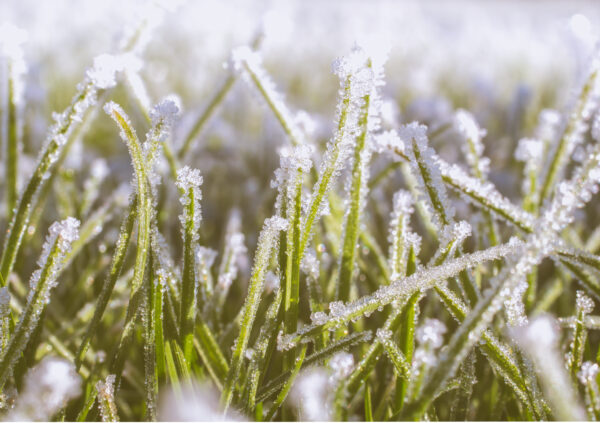
Soil stays warmer than you think!
Even during frosty mornings, the soil beneath the surface remains noticeably warmer than the air. In much of the UK, soil temperatures rarely drop below 5°C, and this is the key threshold required for grass roots to continue growing.
Grass roots don’t rely on warm air, they rely on warm ground.
This means even though the grass above the soil level may look like it has not grown or is dormant, the root system still grows on the hunt for nutrients.
Newly laid turf can still
• Develop new roots
• Bind itself to the soil
• Establish a strong sub-surface structure ready for spring.
This allows the grass to establish in time for the warmer weather ensuring your lawn is well-rooted in spring and ready to flourish.
Less Competition from Weeds
During the cooler months, we see a lot less activity from weed species. Most common lawn weeds including, dandelions, clover, plantin & chickweed are far less agressive and slower to germinate in colder conditions.
Giving your turf the competitive advantage to establish stronger and stunt weed growth. This has the added benefit of reducing the need for herbicides, physical weed removal and leads to turf edges knitting together almost seemlessly.

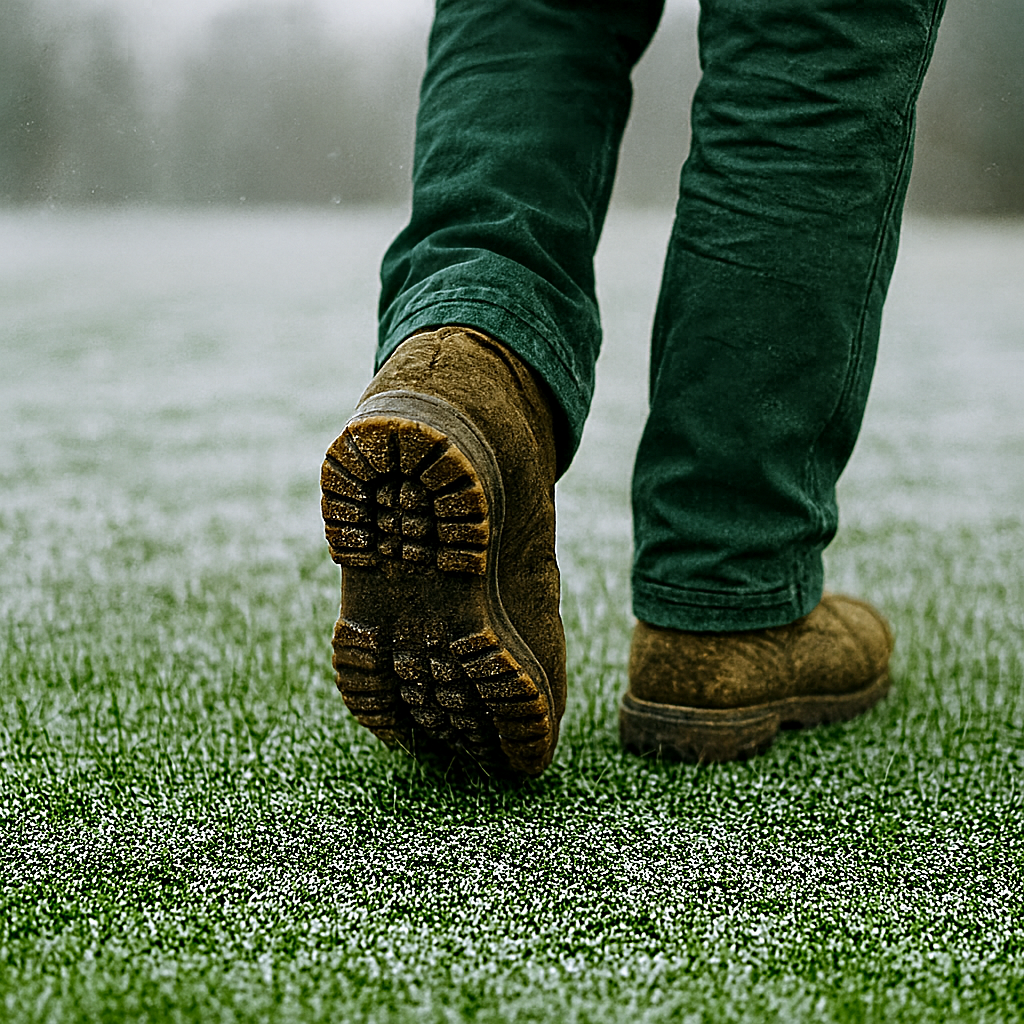
Lower foot traffic allows turf to settle naturally.
Garden usage naturally declines during winter. People spend less time outdoors, pets roam less, and there is less footfall overall. This lack of disturbance allows the turf to settle and root with minimal disruption.
During summer, it’s easy to accidentally damage freshly installed turf by walking on it too soon. Winter solves this problem naturally.
Winter Turfing, Professionally Approved.
Commercial landscapers and turf suppliers often work year-round, and winter is one of their busiest seasons. Housing developments, sports pitches, and commercial grounds are routinely turfed in cold weather because professionals understand the biological advantages.
By laying turf in winter, you’re adopting the same efficient, science-backed approach the landscaping industry uses on major projects.
There are many advantages for laying turf in winter. For some landscapers it’s preferred as the aftercare requirements are greatly reduced. Here’s a few areas where laying turf in winter really benefits!
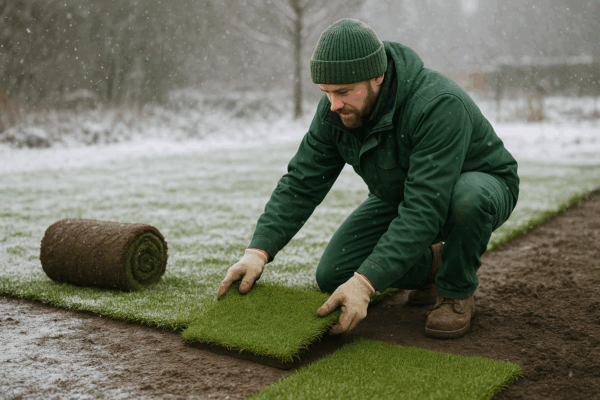
Your new turf won’t need the constant watering required in summer. Natural rainfall supports steady root growth.
Less mowing and minimal aftercare — winter growth is slower, making it easier for busy homeowners and landscapers.
Weeds are less active in winter, giving your new lawn time to knit together without strong competition.
Don’t wait until spring for a garden refresh — winter turfing gives you a ready-made lawn when you need it most.
For landscapers, builders and developers, winter turfing allows projects to stay on schedule without waiting for warmer weather.
While winter is an excellent time to lay turf, there are a few practical considerations to keep in mind. None of these are dealbreakers, they simply help ensure you get the best possible results.

You shouldn’t lay turf directly onto frozen ground, as the soil structure becomes solid and prevents proper root contact. The good news? In the UK, prolonged frozen ground is rare.
If you wake up to a frosty morning:
Wait until late morning or early afternoon, the ground usually thaws.
If snow is present, simply wait for it to melt.
A short cold snap won’t harm turf already laid; it will just pause rooting until temperatures rise again.
Once the soil softens, you can continue laying turf safely.
Excessively boggy areas can be a problem in any season, not just winter. If your garden is holding water after heavy rain, it’s worth addressing this before laying turf.
Options include:
Rotavating in fresh screened topsoil
Improving drainage with sand/topsoil blends
Levelling out depressions where water collects
A firm-but-moist soil base is ideal — soggy ground can hinder root oxygenation.
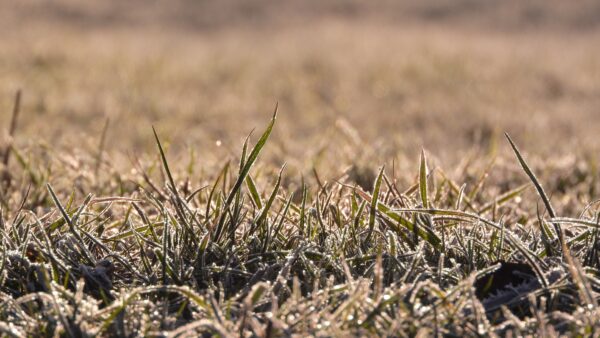
Turf will root in winter, but not at the same speed you’d see in spring. This isn’t a flaw — it simply means the lawn needs to be treated gently for a little longer.
Expect:
A longer “settling in” period
Slower growth above the surface
Mowing to be rare or unnecessary
By early spring, the lawn typically knits together fully and begins thriving.
Because the lawn is in its delicate establishment phase, it’s best to minimise foot traffic.
In winter this is naturally easier because:
Gardens are used less
Pets spend less time on the lawn
Children don’t play in the garden as much
This low usage helps the turf root cleanly and evenly.
Good preparation is the key to a long-lasting, healthy lawn — and winter is no exception. Although the cooler weather works in your favour, taking a little time to get the groundwork right will ensure your turf establishes quickly and evenly.

Looking after newly laid turf in winter is surprisingly simple. Thanks to cooler temperatures and natural rainfall, your new lawn usually requires very little intervention. The most important thing is to avoid walking on the turf while it’s establishing, especially during frosty spells when the grass is more delicate. Aside from that, winter does most of the hard work for you and you can find more detailed seasonal advice on our dedicated winter lawn-care page.

Freshly laid winter turf needs minimal maintenance: keep off the grass where possible and let the weather provide the moisture. As soon as spring arrives, root growth accelerates and your lawn will thicken beautifully.
We do not recommend laying turf on frozen ground. Your turf roots will not establish and they will be starved of any nutrients your soil has to offer.
In winter, it’s best to avoid walking on newly laid turf for 3–6 weeks, depending on soil temperature and moisture levels. Turf will still root during winter, but the process is slower than in spring or summer. A good rule of thumb is to wait until the turf feels firmly anchored when you gently lift a corner — if it resists, the roots have taken hold and light foot traffic is fine.
For most winter installations, by early spring your lawn will be fully rooted and ready for normal use.
We do not recommend laying turf on frozen ground. Your turf roots will not establish and they will be starved of any nutrients your soil has to offer.
It’s best to keep pets off newly laid turf during winter while the roots are establishing. Cold weather slows down the knitting-in process, so paw traffic can create dents, shift slabs, or damage delicate new shoots. As a general guide, try to keep pets off the lawn for 3–6 weeks, or until the turf feels firmly rooted when you gently test a corner.
Once the turf has anchored and the ground is no longer soft or muddy, light pet use is absolutely fine. By early spring, your lawn will be strong enough for normal play and activity.
Winter is often overlooked as a turf-laying season, but the science and practical benefits make it one of the most effective times of year to create a new lawn. Cooler temperatures, steady ground warmth, and reliable natural moisture all work together to support root development with far less effort than in the warmer months. While weed growth slows and garden usage drops, your new turf gets the quiet, stable conditions it needs to settle in and establish strong foundations.
The result? By the time spring arrives — when most people are only just starting to think about improving their garden — your lawn is already rooted, green, and ready to enjoy. Winter turfing saves time, reduces maintenance, keeps projects on schedule, and offers excellent results for both homeowners and professionals. Once you understand the genuine advantages, it’s easy to see why winter may not just be a good time to lay turf… it might actually be the best time of all.