What is the Best Time of Year to Lay Turf?
A common question often asked after purchasing turf is, “what is the best time of year to lay turf?”
Turf establishment is a complex process that depends on a variety of factors, such as soil conditions, temperature, and moisture levels.
The success of your turf installation project largely depends on when you choose to lay the turf.
In this blog post, we’ll explore the best time of year to lay turf, discussing the pros and cons of each season and providing tips on how to prepare the soil and lay the turf for optimal growth and development.
Whether you’re a homeowner looking to improve your lawn or a landscaper seeking to enhance your clients’ outdoor spaces, this guide will provide you with the insights you need to achieve a beautiful and healthy turf that will thrive for years to come.
So let’s get started!
Best Time of Year to Lay Turf

For optimal results, it’s best to lay turf during mid-autumn. Although it can be successfully laid anytime from mid-autumn to early spring, as long as the soil isn’t excessively wet or frosty. Both spring and autumn are ideal seasons for turf establishment, as they require minimal mowing, allowing the newly laid turf to take root undisturbed for several weeks. This provides an excellent opportunity for the roots to establish themselves, leading to a healthy and thriving turf. However, turf can also be successfully laid in the spring and summer months, provided that proper soil preparation and watering techniques are employed. Winter is generally not an ideal time to lay turf due to the colder temperatures and increased risk of frost damage.
Laying Turf In Spring
While autumn is widely considered the best time of year to lay turf in the United Kingdom, spring can also be a suitable season, provided that certain conditions are met. In particular, the soil must have warmed up sufficiently, and there must be enough moisture available to support the establishment of the turf. Additionally, it’s essential to avoid laying turf during periods of drought, as this can significantly hinder the growth and development of the newly installed turf. One of the advantages of laying turf in the spring is that there is typically more daylight available, which can promote photosynthesis and encourage the growth of the turf. Furthermore, spring temperatures are usually mild, which can help to speed up the turf’s root development and reduce the risk of heat stress. However, one potential downside to laying turf in the spring is that it may require more frequent watering than during other seasons. The warmer temperatures and increased sunlight can cause the soil to dry out quickly, necessitating more frequent watering to keep the turf moist and healthy.
Pros:
- More daylight promotes photosynthesis and can encourage growth.
- Mild temperatures can speed up root development and reduce the risk of heat stress.
- Ideal for those who missed the autumn planting season.
- Can result in a lush, green lawn by summertime.
Cons:
- Soil must be warm enough and moist enough to support the establishment of the turf.
- May require more frequent watering than during other seasons.
- Drought conditions can significantly hinder the growth and development of the newly installed turf.
- Not as optimal as autumn for turf establishment and root development.
Laying Turf In Summer
Summer is generally not the best time of year to lay turf, as the hot and dry conditions can make it challenging for the turf to establish and take root. However, if you must lay turf during the summer months, there are some steps you can take to increase your chances of success.
1. Prepare Soil
One important consideration when laying turf in the summer is to ensure that the soil is adequately prepared. This means removing any weeds, rocks, or other debris and ensuring that the soil is level and free from clumps. It’s also important to ensure that the soil is well-watered before laying the turf, as this will help to ensure that the roots have access to the moisture they need to establish.
2. Watering
Another critical factor to consider when laying turf in the summer is watering.
The turf will need to be watered frequently to ensure that the soil remains moist and that the roots have access to the water they need to establish. This may mean watering the turf multiple times per day, particularly during hot and dry weather. One potential advantage of laying turf in the summer is that there is plenty of daylight available, which can help to promote growth and encourage the turf to establish quickly. However, it’s important to avoid laying turf during particularly hot or sunny periods, as this can cause the grass to dry out and can increase the risk of heat stress.
Pros:
- Plenty of daylight available can promote growth and help the turf establish quickly.
- Summer can be a good time to lay turf if you need to create an instant lawn for an event or occasion.
- Warm temperatures can encourage root growth and help the turf to establish.
Cons:
- Hot and dry conditions can make it challenging for the turf to establish and take root.
- Frequent watering is necessary to ensure the soil remains moist and the roots have access to the water they need.
- Laying turf during particularly hot or sunny periods can increase the risk of heat stress and drying out.
Laying Turf In Autumn
Autumn is one of the best times of year to lay turf in the UK. As temperatures start to cool down, and rainfall becomes more regular, the conditions are ideal for establishing a healthy and robust lawn.
One of the benefits of laying turf in autumn is that the ground is still warm enough for the roots to establish, but not so hot that they dry out. This means the turf can take root and establish itself before the winter sets in, and then start growing strongly again in the spring. Another advantage of laying turf in the autumn is that the weather is generally cooler and wetter, meaning that the turf will require less watering than if it were laid in the summer. This can save you time, effort and money, while still allowing the turf to establish and grow strong roots. However, it is important to make sure that the ground is not waterlogged or frozen before laying turf in the autumn. This can prevent the roots from establishing, and can lead to the turf dying off before it has a chance to establish itself properly. Overall, autumn is a great time to lay turf in the UK, as the conditions are generally ideal for establishing a strong and healthy lawn.
Pros:
- The cooler temperatures in autumn are ideal for establishing healthy roots.
- Regular rainfall means the turf requires less watering than in the summer months.
- The turf can establish itself before the winter sets in and be ready to grow strong in the spring.
- Autumn weather is generally milder, making working outside more comfortable.
- Less competition from weeds and other plants means that the turf is more likely to take root and establish itself.
Cons:
- Ground conditions can become too wet or even frozen in autumn, which can make it difficult to lay turf.
- Turf laid too late in the autumn may not have enough time to establish before the winter months.
- Autumn leaves can fall onto newly laid turf and cause problems with drainage and light.
- There may be a higher demand for turf in the autumn, which can make it more expensive and harder to source.
Laying Turf In Winter
When it comes to laying turf in winter, there are both advantages and disadvantages to consider. On the one hand, the cooler temperatures mean that the turf is less likely to dry out, which can be a problem during the hotter months of the year. However, there are also some potential drawbacks to laying turf in winter. One of the main concerns is the risk of frost and freezing temperatures. If the ground is frozen, it can be difficult to prepare the soil properly and lay the turf. Additionally, if the weather is wet, the ground can become waterlogged and muddy, which can make it difficult to work with. Another consideration is that the grass may take longer to establish itself during the winter months. This is because the cooler temperatures slow down the growth process, which means that the turf may take longer to root and start growing. You may also need to be more careful about walking on the turf during the winter months, as the ground may be softer and more prone to damage. Overall, while it is possible to lay turf during the winter months, it is important to weigh the pros and cons carefully before making a decision. If you do decide to lay turf during the winter, it is important to take extra care with the preparation process to ensure that the turf has the best chance of establishing itself successfully.
Pros:
- Turf suppliers are often less busy in winter, meaning you may be able to get a better deal.
- Laying turf in winter can help the grass establish strong roots before spring, making it more resilient in the long term.
- The cooler temperatures and shorter days mean you’ll need to water your turf less frequently than you would in summer.
- You won’t need to mow your lawn as often in winter, so newly laid turf can be left relatively undisturbed.
Cons:
- Laying turf in winter can be more challenging due to wet, muddy conditions that can make the work more difficult.
- Frost and snow can also make the ground too hard to work with, or prevent the turf from rooting properly.
- If the ground is waterlogged or frozen, it may not be possible to lay turf at all.
- You’ll need to be extra vigilant about watering your newly laid turf, as it’s still important to keep it moist even in colder temperatures.
Laying Turf And Aftercare
Laying turf and aftercare are crucial steps in creating a beautiful and healthy lawn.
Proper installation and maintenance can ensure that your turf remains lush and green for years to come.
Here are some key things to keep in mind when laying turf and caring for it afterward:
- Site Preparation: Proper site preparation is critical to ensuring that your turf has a healthy start. Before laying turf, make sure to clear the area of any debris, rocks, or weeds. Level the area and add a layer of topsoil if necessary.
- Watering: After laying turf, it’s essential to water it immediately and regularly to encourage root growth. Water daily for the first week, and then gradually decrease the frequency. Avoid overwatering, as this can lead to disease and shallow root growth.
- Mowing: Once your turf has established roots, it’s time to start mowing. Set your mower to a high setting, and mow regularly to keep the grass at a consistent height. Avoid cutting more than one-third of the blade length at a time.
- Fertilising: Regular fertilisation can keep your lawn healthy and green. Apply a balanced fertiliser according to the manufacturer’s instructions. Avoid fertilising during hot, dry weather, as this can damage your turf.
- Weed Control: Weeds can quickly take over your lawn if left unchecked. Regularly inspect your lawn for weeds and use appropriate weed control measures, such as hand weeding or herbicides.
- Aeration: Over time, soil can become compacted, making it difficult for water and nutrients to penetrate. Aeration can help to loosen the soil and promote root growth. Aerate your lawn every one to two years, preferably during the growing season.
- Pest Control: Keep an eye out for common lawn pests, such as grubs and chinch bugs. Early detection and treatment can prevent damage to your turf.
Remember, proper care and maintenance are essential to keeping your lawn healthy and vibrant. With a little effort, you can enjoy a beautiful and lush lawn for years to come.
Frequently Asked Questions
Do I need topsoil before laying turf?
Yes, it’s generally recommended to use topsoil before laying turf as it provides a good growing medium for the grass and ensures the roots can establish properly. Topsoil also helps to level out any bumps and dips in the ground, creating a more even surface for the turf to be laid on. It’s important to choose a good quality topsoil that is free from weeds and debris, and to apply it evenly across the area where you will be laying the turf.
When shouldn’t you lay turf?
While you can lay turf throughout the year, there are certain conditions when it’s not recommended. Firstly, avoid laying turf during periods of extreme weather such as heavy rain, frost, or heatwaves. The soil should be moist but not waterlogged or bone dry. It’s also best to avoid laying turf during the winter months when the grass is dormant and won’t establish as well. Additionally, if you have significant groundworks to do, like levelling or extensive soil preparation, it’s best to delay laying the turf until the ground is suitably prepared.
Can you walk on turf straight away?
It’s best to avoid walking on newly laid turf for at least a couple of weeks to allow the roots to establish and the soil to settle. This will help to prevent any damage or unevenness to the turf. After a few weeks, you can gradually start to use the lawn, but it’s still important to be gentle and avoid heavy use until the turf has fully rooted in.
Does turf get ruined in snow?
Snow can have negative effects on turf, but it is not necessarily ruined by it. If the snow is heavy and wet, it can compact the soil and damage the turf’s blades. However, if the snow is light and fluffy, it can provide a protective layer against frost and extreme cold temperatures. It is important to avoid walking on the turf when it is covered in snow, as this can cause further damage. Once the snow has melted, it is advisable to check the turf for any damage and make any necessary repairs.
Best Time of Year to Lay Turf Conclusion
In conclusion, the best time of year to lay turf in the United Kingdom is mid-autumn, but turf can be laid between mid-autumn and early spring, provided that the soil isn’t too wet or frosty. Spring and autumn are both suitable times to lay turf, with spring offering the advantage of faster establishment, but the risk of drought or heat stress in summer. Summer is the least optimal time to lay turf due to the risk of high temperatures and drought stress, but if proper care is taken, it can still be successful. Winter is also not an ideal time to lay turf due to the risk of frost, but it can be done if necessary.
Ultimately, the success of laying turf depends on a number of factors, including soil preparation, watering, and maintenance. By taking the time to properly prepare the soil, choosing the right time of year, and providing adequate care and attention, you can ensure that your new turf becomes a beautiful and healthy lawn that you can enjoy for years to come.
How To Lay Turf: [An Ultimate Guide]
Transforming your lacklustre lawn into a lush green oasis is a wise decision. In this guide we will teach you how to lay turf.
But before you get your hands dirty, it’s crucial to understand that laying turf is not as simple as it may seem.
This guide will walk you through the step-by-step process and share important tips and tricks to ensure your turf laying endeavor is a resounding success.
Whether you’re planning to patch a small area or cover a larger space in your back garden, this comprehensive guide will equip you with the knowledge you need to know how to lay turf like a pro.
From essential preparation steps to the right tools for the job, and crucial aftercare guidance to maintain a healthy lawn, we’ve got you covered.
So let’s dive straight in and unlock the secrets to achieving a flawless, envy-worthy lawn!
The Benefits Of A Lawn
A lawn is more than just a natural and aesthetically pleasing addition to a property. In fact, there are many surprising benefits to having a lawn and turfed areas that can enhance both the appearance and functionality of your outdoor space.
- Cooling Effect: One such benefit is the cooling effect that natural turf can provide. In hot weather, natural turf can stay up to 30 degrees cooler than harder landscaping surfaces, helping to create a more comfortable outdoor environment.
- Air Quality/Oxygen: Another benefit of having a lawn is its ability to improve air quality and produce oxygen. Natural turf has the unique ability to absorb carbon dioxide and release oxygen into the atmosphere. In fact, a healthy lawn measuring 250 square meters can produce enough oxygen for a family of four. Additionally, turf is effective in trapping dust, further contributing to improved air quality.
- Absorbs Water: Turf is also excellent at absorbing rainfall and slowing down the flow of water to prevent flooding, making it a practical addition to any outdoor space. Beyond its functional benefits, a lawn can also have a positive impact on emotional wellness. Studies have shown that natural green spaces, such as lawns, can reduce stress by lowering blood pressure and heart rate, providing a peaceful and calming environment.
- Adds Value: Adding green space, such as turf, to a property can also increase its value, making it a worthwhile investment for homeowners. Finally, it’s worth noting that lawns have a self-cleaning surface through the growing and respiring process, providing a hygienic environment for outdoor activities and relaxation.
- Stress Emotional Wellness: Natural green spaces have been proven to reduce stress by lowering blood pressure and heart rate.
What Time Of Year Is Best To Lay Turf?
The ideal time to lay turf is during early spring or early to mid-autumn when the soil quality is at its best. It’s important to avoid laying turf when the soil is too wet or when there is frost on the ground.
Lawn Planning And Preparation
Before purchasing turf, it’s crucial to plan out the entire process, including taking accurate measurements and ensuring you have all the necessary tools for the job. Let’s delve into the details of lawn measurements to ensure you get the right amount of turf.
Lawn Measurements
Calculating exactly how much turf you will need can prevent you from purchasing too much or too little turf.
Here at Turfworld, our turf is available in 1 SQ meter rolls. Use our turf calculator which will tell you exactly how many rolls you will need to order, based upon your measurements.
How To Measure A Square Or Rectangular Lawn
For square or rectangular lawns, simply measure the length and width in meters, and multiply the two numbers together to calculate the area.
For instance, if the measurements are 12 meters by 12 meters, the area would be 144 square meters (12 x 12 = 144).
Alternatively, you can use our turf calculator, which will provide you with the exact amount of turf to order based on your measurements.
How To Measure A Circular Lawn
Measuring a circular lawn requires determining the radius, which is the straight line from the centre of the circle to the outside.
Multiply this number by pi (3.142) to calculate the area of the circular lawn.
How To Measure An Irregular Lawn
Measuring an irregular lawn can be done by dividing it into smaller squares and circles using the aforementioned methods, and then adding the calculated areas together to obtain the overall area.
In some cases, an educated guess may be necessary for certain areas, and it’s advisable to order 5% more turf than required to account for any discrepancies.
Recommended Tools For Laying Turf
Here is a list of some the required tools needed to successfully lay turf:
- A sharp spade or turf cutting tool
- Wheelbarrow
- Rake
- Garden fork
- Gardening gloves
- Hose pipe
- A sharp knife
- Some scaffolding planks
- Topsoil (if required)
- Weed killer (if required)
How To Remove An Existing Lawn
Ground preparation is a crucial step that requires time and effort, but the end result is a healthy and successful lawn that you can enjoy for years to come.
Laying fresh turf onto an existing lawn is not recommended, as it can hinder proper rooting.
Therefore, if you have an existing lawn, you will need to remove it before laying new turf. There are several methods you can use for this purpose.
Method 1: How To Dig Up A Lawn using A Shovel
- Start by mowing your lawn and setting your mower to the lowest setting.
- Water the lawn thoroughly and wait for a couple of days to allow the soil to soften.
- Use a shovel to cut the turf into long strips, about 4 inches deep.
- Water the area again with a hose.
- Keep an eye on the area over the next couple of weeks and remove any weeds that appear.
Using a sod cutter:
Alternatively, you can use a sod cutter on your lawn. Use the sod cutter to cut sections that are 12 to 18 inches wide.
- Roll up each cut section with the grass side down and relocate it.
- Spread about 2 to 4 inches of compost on the grass-side-down sod.
- Till the soil with a rototiller once the sod has turned brown and dried.
Using a rototiller:
A rototiller is a machine that churns up turf and topsoil to a depth of around 5 to 6 inches.
- Make around two passes on each section of the lawn in an overlapping manner.
- Once completed, spread about an inch of compost and till it into the soil.
Method 2: Solarisation
This technique is particularly effective in regions with warm and sunny weather conditions. Here’s a step-by-step guide to the solarisation process:
- Begin by mowing your lawn, making sure to set your mower to the lowest cutting height.
- Thoroughly water the grass using a hose, ensuring that the entire lawn is evenly moist.
- Cover the entire lawn with plastic sheeting, and use rocks or other weights to anchor the sheeting in place.
- Leave the plastic sheeting in place for a period of four to eight weeks, taking into account that the process may occur more quickly in warmer and sunnier weather.
- After the designated timeframe, carefully remove the plastic sheeting, taking care not to damage the underlying soil.
Pro tip: If you’re attempting solarisation in cooler weather, you can still achieve success by using black plastic sheeting instead of clear plastic. This blocks sunlight and prevents photosynthesis, effectively killing off the existing lawn.
Checking The Depth And Quality Of Your Topsoil
Optimal topsoil depth should ideally range from 100mm to 150mm, and it should be levelled using a rake for an even surface.
If your existing soil needs improvement, a soil improver can be utilised to enhance its quality.
For additional topsoil needs, we recommend our TS1 Top Soil, which is of premium quality and suitable for various landscaping applications.
Levelling The Ground
Ensuring that the ground is level is crucial to achieve the best results with your new turf.
Even though the ground may seem level to the naked eye, there may be hidden uneven areas that require attention.
Here’s a step-by-step guide on how to level the ground effectively:
- Loosen the soil by either digging or rotovating to create a soft and workable surface.
- Remove any debris, such as stones or weeds, to ensure a clean and clear ground.
- Compact the soil by walking over the entire area, avoiding heavy equipment like rollers that may cause over-compaction.
- Fill in any dips or hollows with additional soil to create a smooth and even surface.
- Continuously rake and fine-tune the soil until it is finely leveled and free of any irregularities.
- Water the soil a few days prior to the arrival of your turf to ensure it is adequately moist.
By following these steps diligently, you can create a level and prepared surface for laying turf, ensuring optimal results for your landscaping project.
Ordering Turf
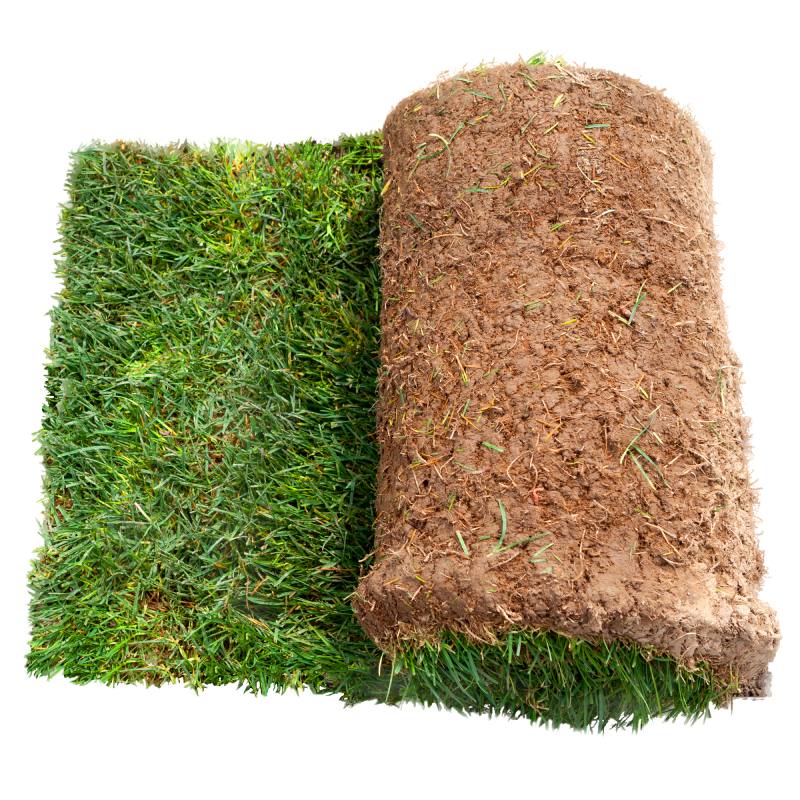
Once you have completed the prepping process, you are now ready to order your turf.
You can order turf Here at Turfworld where we supply high quality turf to both trade businesses and public customers.
Use our turf calculator on the product page to work out exactly how many rolls of turf you will need for your project.
For best results, we always advise to lay the turf as soon as possible, especially during warmer months.
Need extra soil with your turf? Check out our quality Screened Top Soil TS1.
How To Lay Turf: Step-By-Step
Let’s take a look at the step-by-step process on how to correctly lay turf.
Step 1
To begin, it’s best to start laying the turf from a straight edge of your garden, such as a border or a plank. If there isn’t a border, you can leave some excess on the first roll, which can be trimmed later with a long-bladed garden knife.
Gently press the turf into the ground using both hands, ensuring a snug fit. For circular lawns, start from the middle and work your way out, maintaining a smooth and even surface.
Step 2
Continue laying each roll of turf directly after the next, ensuring that the edges are parallel and closely butted up against one another.
Use both hands to prevent any gaps between the rolls, creating a seamless appearance.
Repeat this process until you have finished an entire row, maintaining precision and attention to detail.
Pro Tip: To prevent leaving footprints on your newly laid turf, use a board to stand on while working, ensuring a pristine and professional finish.
Step 3
Now, it’s time to work on the next row of turf, and the key here is to stagger each patch of turf next to the previous row.
By doing so, the middle of the patches should line up with the seams from the previous and next row, creating a visually appealing brickwork design.
This not only ensures a more even coverage but also prevents the turf from drying out, maintaining its health and vitality.
Step 4
Continue the above steps until you have covered the entire area. At this stage, there are two important tasks to be done:
- Perfecting Your Lawn: Take a sharp knife or spade and carefully trim and clean up any excess turf along the edges to achieve a polished and pristine appearance.
- Pack Down The Turf: Use the back of a rake or spade to gently press down on each patch of turf, starting from one corner and going over each row. This helps to establish good contact between the turf and the soil, promoting healthy root growth.
Step 5
Proper watering is crucial for the success of newly laid turf. It’s important to thoroughly water the turf on the same day it is laid to help the roots establish and prevent drying out.
However, be mindful not to overwater, as it can cause the turf to separate from the soil beneath.
The correct approach is to water until it begins to puddle, allowing the water to soak in and be absorbed by the soil below.
Laying Turf To A Curve
If you are laying turf on a circular lawn or to a curve, the process is similar to that of a rectangular or square lawn.
The only difference is that you will need to slightly overlap the patches of turf until they conform to the curve.
Trim any excess turf until you have a clean and seamless curve.
Aftercare: How To Care For Your New Lawn
Caring for your lawn in the weeks following installation is crucial to ensure its successful establishment and long-term health.
Keep Off The Grass
One key aspect of aftercare is to avoid walking on the new turf for approximately 2 to 3 weeks, including keeping pets off the grass.
This allows the roots to firmly establish in the soil without any disruption.
How to test that the turf is rooted:
To test if the turf has rooted properly, gently lift a corner of the turf.
If it lifts easily, it may not have rooted properly, but if it doesn’t move, then the rooting process has been successful.
Watering
Proper watering is also essential for the success of the new lawn. The frequency of watering depends on the time of year and weather conditions.
- The First Week: During the first week, it is recommended to water once per day under normal weather conditions, twice per day during hot weather, or if there’s heavy rain during the day, watering once per day is enough during spring and autumn months.
- Weeks 2 – 3: In weeks 2 to 3, watering around 2 to 3 times a week is sufficient.
- Weeks 4 – 6: In weeks 4 to 6, the frequency can be reduced to 1 to 2 times per week.
- Best Time To Water: The best time to water is in the evening or early morning to ensure that the water is fully absorbed by the soil and not evaporated by the sun.
- Signs Of Dying Turf: If you notice signs of dying turf such as curling or browning, it’s important to water immediately to prevent further damage.
Feeding
Feeding your lawn is a crucial step in maintaining a healthy and vibrant turf. Here are some tips:
- If you used pre-turfing soil or fertiliser, your lawn will typically not need feeding until 6-8 weeks after installation.
- During the growing season, which is typically spring, summer, and autumn, it’s recommended to use a balanced fertiliser on your lawn every four to six weeks. This will provide the necessary nutrients for healthy growth and development.
Mowing
When it comes to mowing your newly laid turf, it’s important to follow proper techniques.
- Before you mow your lawn for the first time, ensure that the turf has fully rooted by gently lifting a corner of the turf. If it lifts easily, it may not have rooted properly yet.
- If your turf has been laid in the summer, it’s generally best to mow your lawn within 1-2 weeks of installation.
- To avoid stressing the grass on the first mow, set your lawn mower to the highest setting and ensure that the blades are sharp.
- During spring, summer, and autumn, it’s important to mow the lawn regularly to maintain an optimal height.
- During winter months, grass growth slows down, so only mow the grass if it’s visibly growing.
- As your lawn becomes fully established, you can gradually reduce the height of the cut to achieve your desired lawn height.
Ready To Order?
Now that you’re well-versed in the correct process of laying turf and caring for your lawn, it’s time to place your order and bring your vision to life!
After removing your existing lawn and thoroughly prepping the area, you can now order your turf with confidence.
It’s crucial to have all the necessary supplies and materials on hand before starting the installation process.
How To Lay Turf Conclusion
In conclusion, with careful planning and preparation, you can easily install a new lawn on your own and enjoy the numerous benefits of having a lush and vibrant turf.
Remember to follow the step-by-step instructions in our comprehensive how-to guide for laying turf, and utilise the aftercare tips to ensure a healthy and thriving lawn in the end.
Your beautiful lawn awaits!